Visionary Gift Co.
☰
All project ideas

The Story

Hope Packages

An Idea I Borrowed. A Community That Made It Happen.

Where the idea began

My dad died from pancreatic cancer at 64.

Nine days later, I lost my mom.

I needed something productive to do with my grief.

Somewhere along the way, I came across the idea of creating care packages for people undergoing cancer treatment. I honestly don’t remember exactly where I saw it, but I remember thinking it was something I could recreate in my own community.

It was a way to honor both of my parents.

And what started as something personal became a community effort that continued for years.

Comfort, packed with care

We created Hope Packages filled with comfort items for people undergoing cancer treatment.

Everything we included was approved by nurses.

The packages contained soft socks, activity books and pens, peppermints to help with the metallic taste some patients experience during treatment, gum, snacks such as granola bars, lotion, and chapstick.

Simple things. But things that could make a difficult day a little easier.
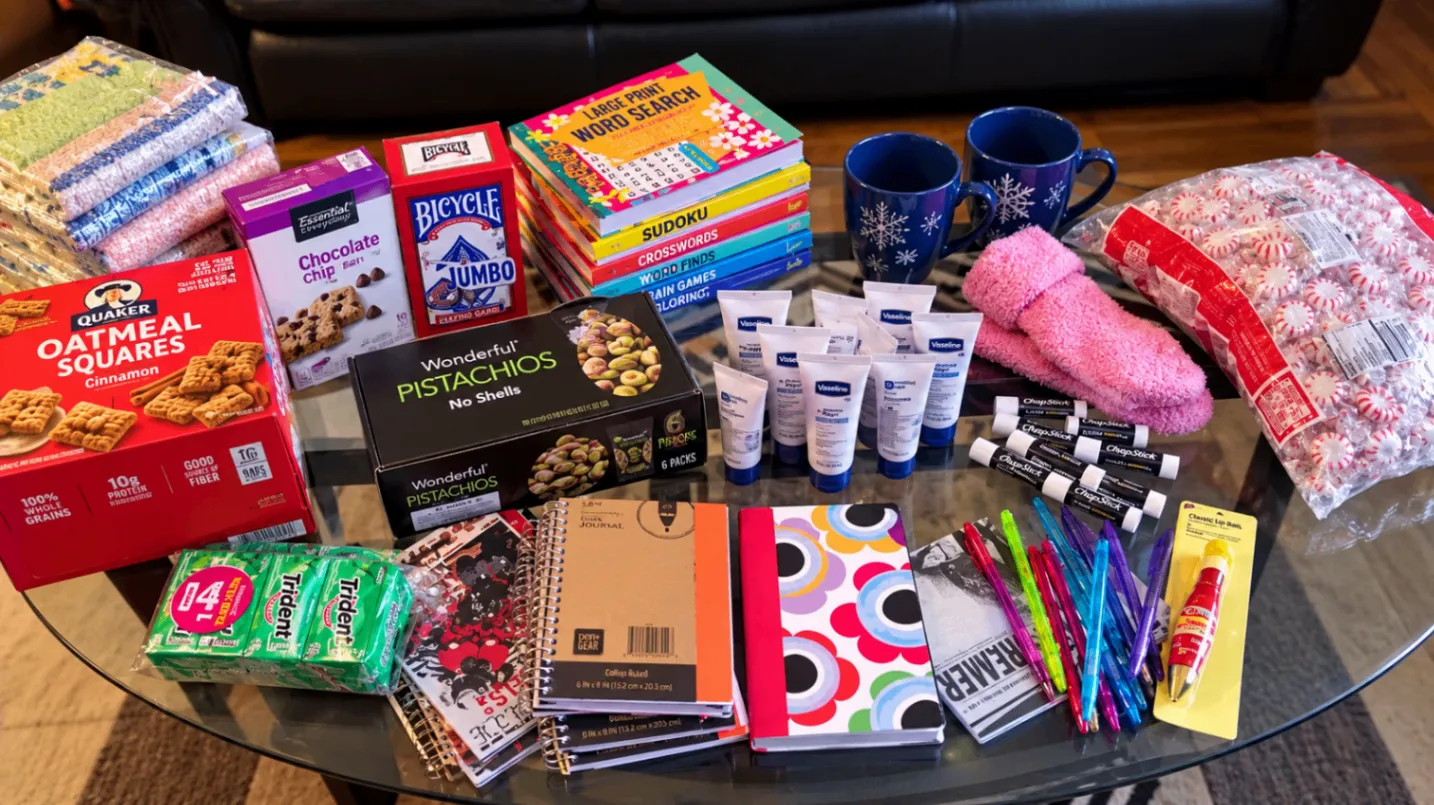
Comfort supplies, snacks, games, books, and toiletries gathered for Hope Packages
Community donations helped fill thousands of Hope Packages over the years.

And the bags themselves were special, too.

Community members decorated them, from preschoolers all the way to senior citizens.

The supplies were a community effort as well. I purchased items, other volunteers purchased items, and people throughout the community donated what they could.
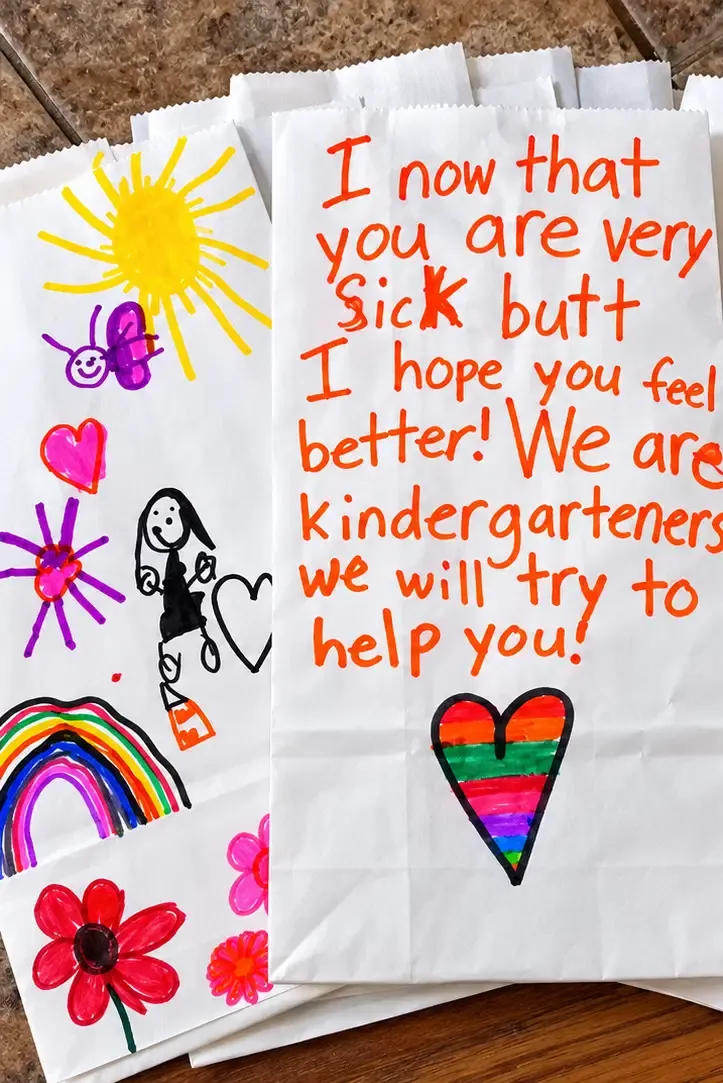
Kindergarteners’ colorful handwritten messages and drawings on Hope Packages bags
Sometimes the smallest hands deliver the biggest encouragement.

A community effort, year after year

We partnered with our local cancer center to distribute the packages.

Typically, we’d deliver 10 to 20 at a time. When the cancer center started running low, they’d call us, and we’d bring more.

No complicated distribution system. Just people working together to meet a need.

Over nearly a decade, with the help of family, friends, and an incredibly generous community, thousands of Hope Packages found their way into the hands of people beginning cancer treatment.

When I think about what makes me proud of this project, the answer is everything.

Honoring my parents. Providing a little comfort to people going through cancer treatment. Watching children, adults, and seniors participate. Seeing how many people were willing to help.

And the funny thing is, I didn’t invent the idea.

I borrowed it.

Sometimes that’s exactly how something wonderful begins.

What We Learned

The need comes first. The partner helps shape the plan.

The cancer center and its nurses helped us understand what was appropriate for patients.

People could contribute in different ways: buying or donating supplies, decorating bags, or helping assemble packages.

A simple replenishment rhythm worked for our partner: when supplies ran low, they called, and we brought more.

Over nearly a decade, we distributed thousands of Hope Packages.

What You Can Do

Hope Packages: Steal This Idea

Start with a local cancer treatment center

Contact a cancer center or oncology department and ask whether they accept patient comfort packages. Find out what items are appropriate, whether they have specific needs, and how they prefer donations to be delivered.

Get supplies approved

Our packages included soft socks, activity books, pens, peppermints, gum, snacks, lotion, and chapstick. These are examples from our experience, not a universal approved list. Always confirm the receiving center’s policies regarding food restrictions, allergies, fragrances, hygiene, and other safety considerations.

Invite your community to participate

People can donate supplies, purchase items, decorate bags, or help assemble packages. Our bags were decorated by everyone from preschoolers to senior citizens. You don’t need to contribute money to make a meaningful contribution.

Start small

We typically delivered 10 to 20 packages at a time. You don’t need hundreds of packages or an enormous budget to begin.

Create a simple replenishment plan

Our cancer center called when supplies ran low, and we brought another batch. Work with your partner organization to establish a system that makes sense for everyone involved.

Keep it manageable

A meaningful project doesn’t need a complicated organization behind it. Start with a real need, a willing partner, and people who want to help.

You don’t have to copy us exactly

Now It’s Your Turn.

Maybe your local cancer center needs different supplies.

Maybe a school wants to decorate bags.

Maybe your workplace wants to organize a collection drive.

You don’t have to recreate our project exactly.

Start with what’s needed, use what you have, and make the idea your own.

And if you try something similar, I’d love to hear about it.